
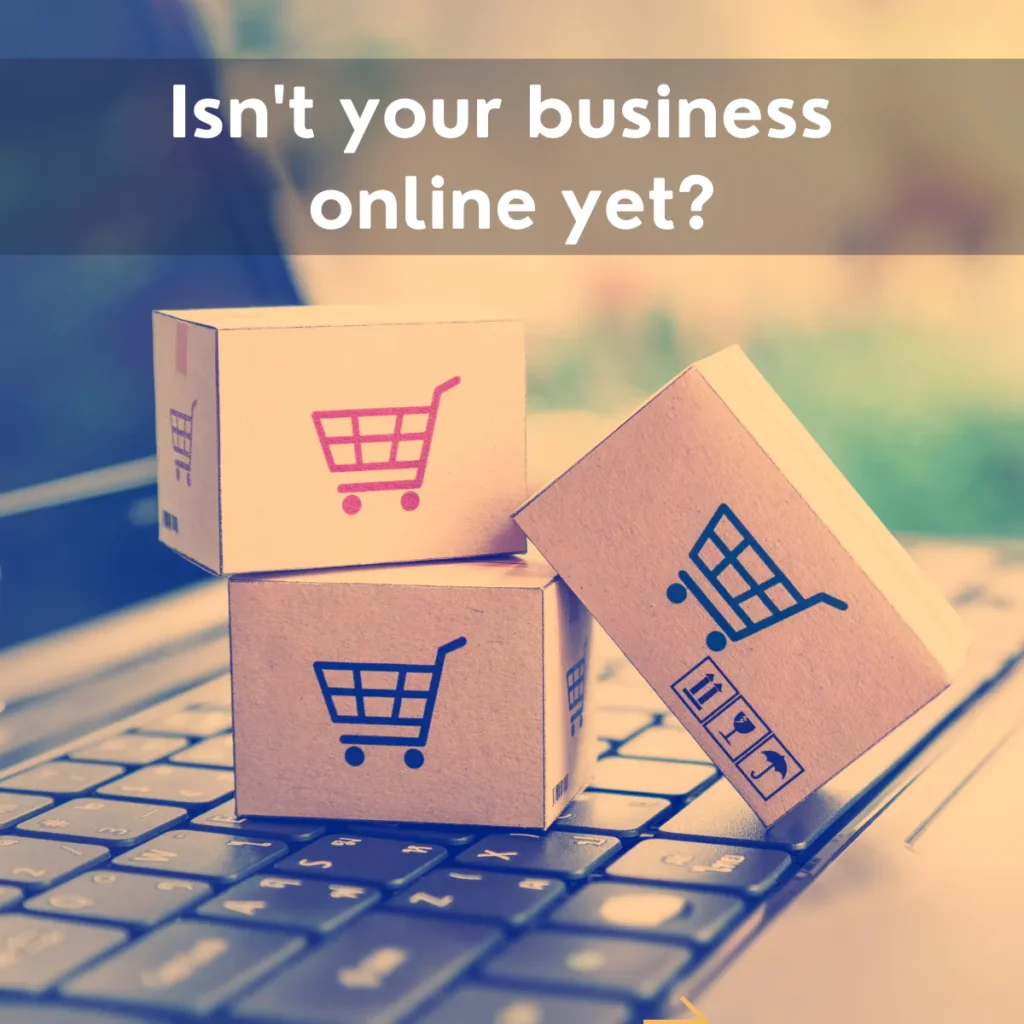
As countries across the globe enforced lockdowns, social distancing and other measures in response to the COVID-19 pandemic; consumers, confined at home, boosted their consumption of social media, video calling, streaming services and online shopping.
According to a WTO report titled E-Commerce, Trade and the COVID-19 Pandemic, B2B and B2C online sales of physical goods in most categories skyrocketed, in the same way that they had spiked during the SARS epidemic in 2002-03, with firms such as Alibaba and Taobao rising from relative obscurity. This highlights the importance, particularly in times like these, of having an e-commerce website or an online retail arm. And whilst going all digital is not the ultimate solution, the relevance of e-commerce has significantly increased during the lockdown and, to an extent, has proven to be a problem alleviator for a large section of the population.
As social distancing becomes the new normal, societies will become further reliant on online shopping, and companies will increase their digitization readiness by having full-fledged online retail platforms and by ramping up their online capabilities, which in turn will trigger the development of policies, laws and rules to regulate the segment.
Options available for start-ups in this field
During the lockdown, segments like medical supplies, sanitisers, disinfectants, face masks, household essentials, food products and groceries were categorised as essential and therefore exempted from restrictions. Cautious about stepping out to get these essential items, users thronged to e-commerce platforms, and online sales of such products thrived during this period. The WTO report notes that in China, between December 2019 and January 2020, some online medical platforms showed three-digit growth, with one showing as much as 900%. According to a Nielsen report, for the two weeks ended March 21, 2020, upwards of 35% more people had shopped online for consumer packaged goods items like groceries and non-consumables items, compared with a typical week.
According to a Statista.com survey, as of March 2020, 34% of respondents from the UAE used e-commerce to purchase products more frequently which they normally would have bought from a store since the coronavirus outbreak. While this kind of growth might not be sustainable in the post pandemic period, some of the habits will continue well into the future and will pave the way for major changes in user behaviour patterns by bringing more and more customers into the ecommerce arena.
Precautions to be taken considering production and supply chain delays
While it is important to ramp up your e-commerce capabilities, you have to be mindful of one important challenge: your sales might be done online; but your inventory and your services are likely to be affected by disruptions in manufacturing, labour conditions and production, which would make your online business face the same supply chain problems as a brick and mortar business. The logistical restrictions and the new health regulations put in place since the pandemic have increasingly made things difficult for e-tailers. The WTO report notes that the pandemic brought to the fore the vulnerabilities of supply chains and tested the ability of businesses to adjust swiftly. Such challenges have to be anticipated and be planned for well in advance.
You should not expect your customers to understand delays and cancellations, even in a dire crisis such as this one, instead, you should pay close attention to logistics bottlenecks and give utmost importance to customer experience. It is key to stay on top of the supply chain, coordinate with them and provide them with all the necessary support so that consumers get a seamless experience. This can be augmented with better tracking options and a re-energised customer care support to avoid leaving end users frustrated.
Where do you start?
If your target customer base is online, you have two options to reach them or get access to them:
1. Start your own e-commerce site and sell your products directly to customers
2. Use a Platform-as-a-Service provider to host and manage your e-commerce site with providers such as Shopify, Doukani.com for example
In the former model, you are required to build your site from scratch, boost its reach, bring customers to the site and get them to understand your product before making a purchasing decision. While in the latter model you reply on an existing infrastructure that already has access to a large customer base awaiting to discover your products.
Whichever medium you choose, you have to make intelligent decisions as to where to invest, how to increase conversions and how boost your brand image. Analyse how much you are spending to maintain your own site as well as to list your products across platforms and rationalise them. Allocate your spending while keeping an eye on your inventory movement. Tell the story of your brand through your products, content and communication. Going forward what you need is loyal customers. So engage the customers, build a community and start conversations with them. Leverage all available channels like social media and influencer marketing to get to this.
The shift to e-commerce business has been happening for a while, but the pandemic has acted as a catalyst to drive the change faster than ever. It is imperative that you catch up, else you will miss the bus. So make intelligent choices, act fast, and start now.